Field Notes
Lecce, 2026
In collaboration with sound artist Rob Millis, Fels produced a site-specific multi-media installation for the Museo Castromediano, Puglia’s oldest museum. The installation dealt with the millennia-old Pugliese olive oil trade and the magnificent ancient trees that continue to produce the coveted oil for which the region has long been known.


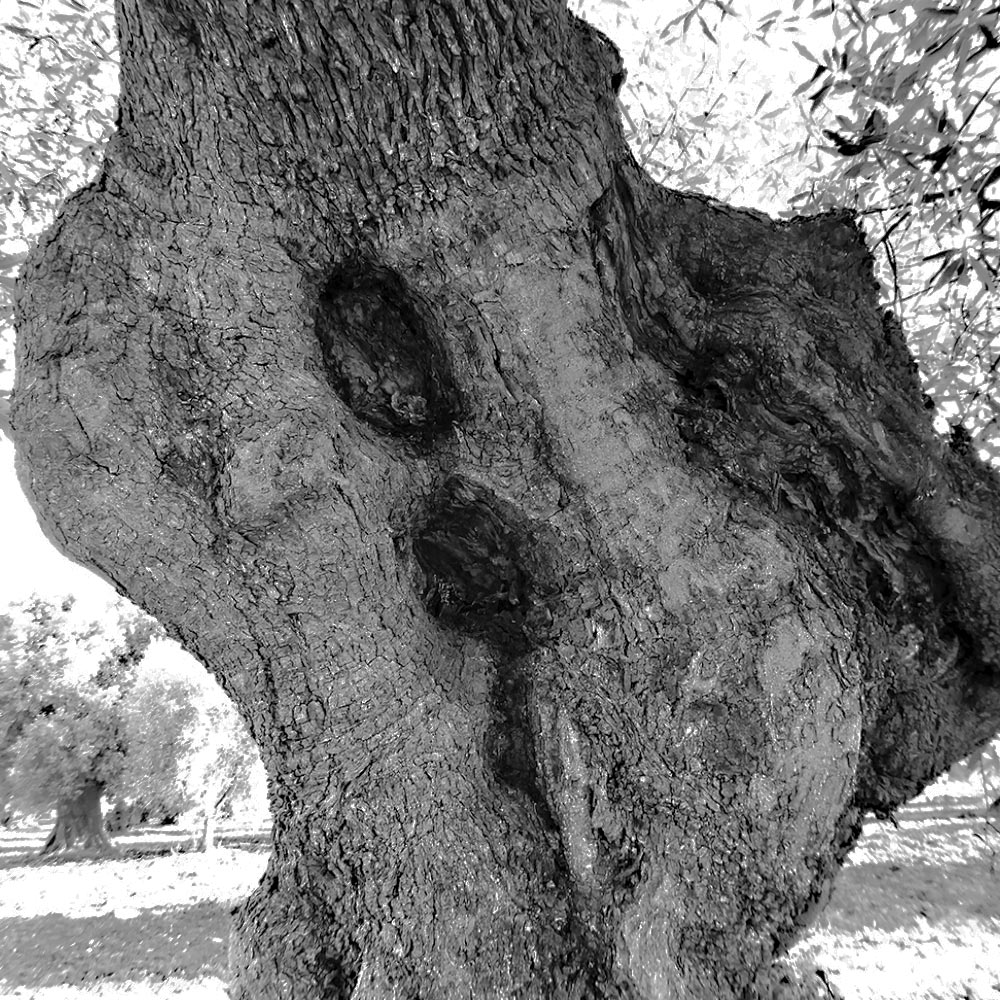
The museum exhibition opened with a sound/visual projection featuring photographs of the trees in a small olive grove that Fels has been observing closely since 2015. Xylella, the terrible wasting disease, has killed 20 million of Puglia’s 60 million olive trees. In response, the oldest trees in this grove, some almost a thousand years old, were grafted from a disease-resistant species. Fels followed the grafting as it took place, photographing the entire process. Millis made field recordings in the grove, including ones taken directly from the trees using a device for ‘listening to plants’ developed in Italy in the 1970s. The Millis soundtrack could be heard at listening stations he created throughout the installation.
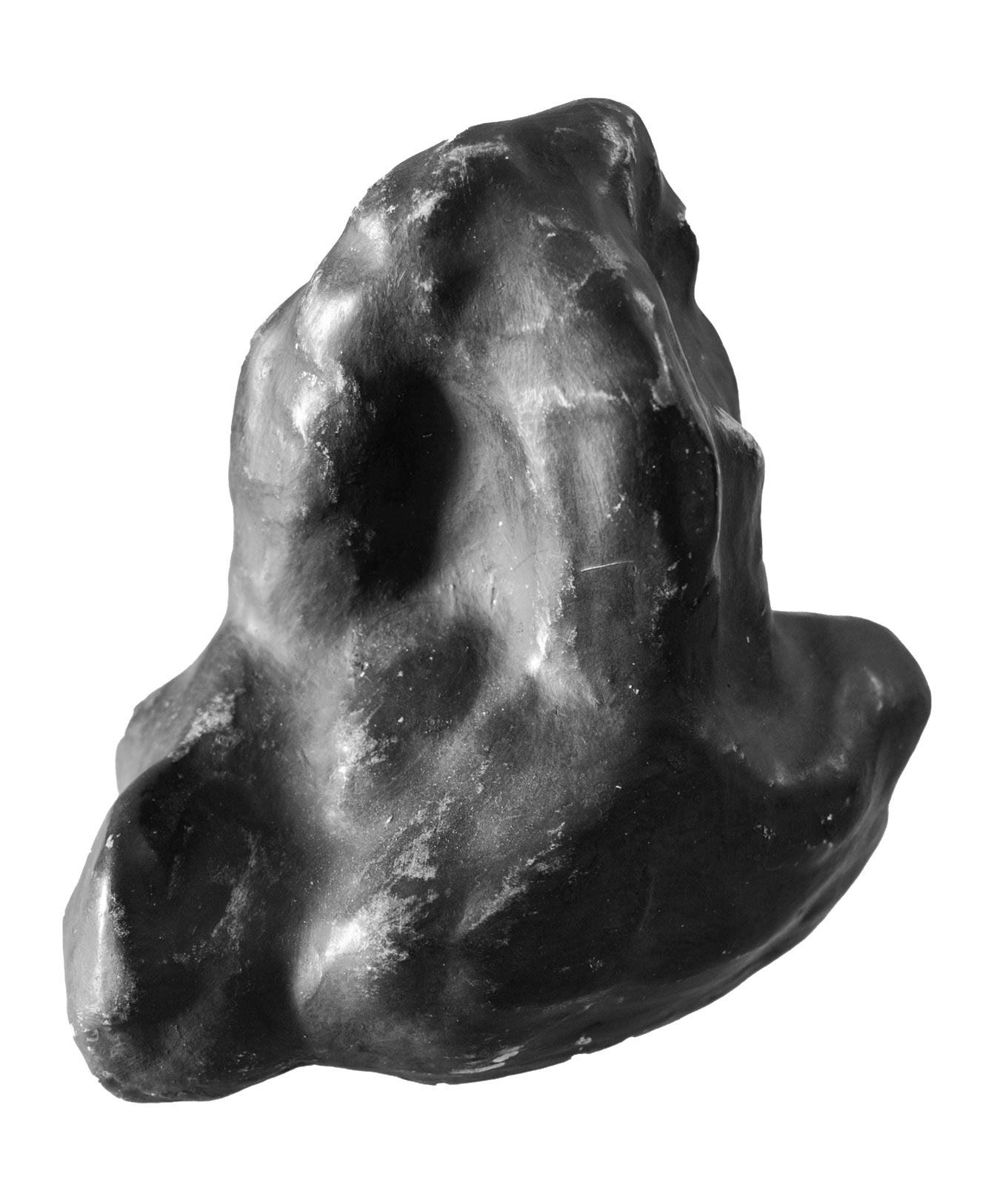
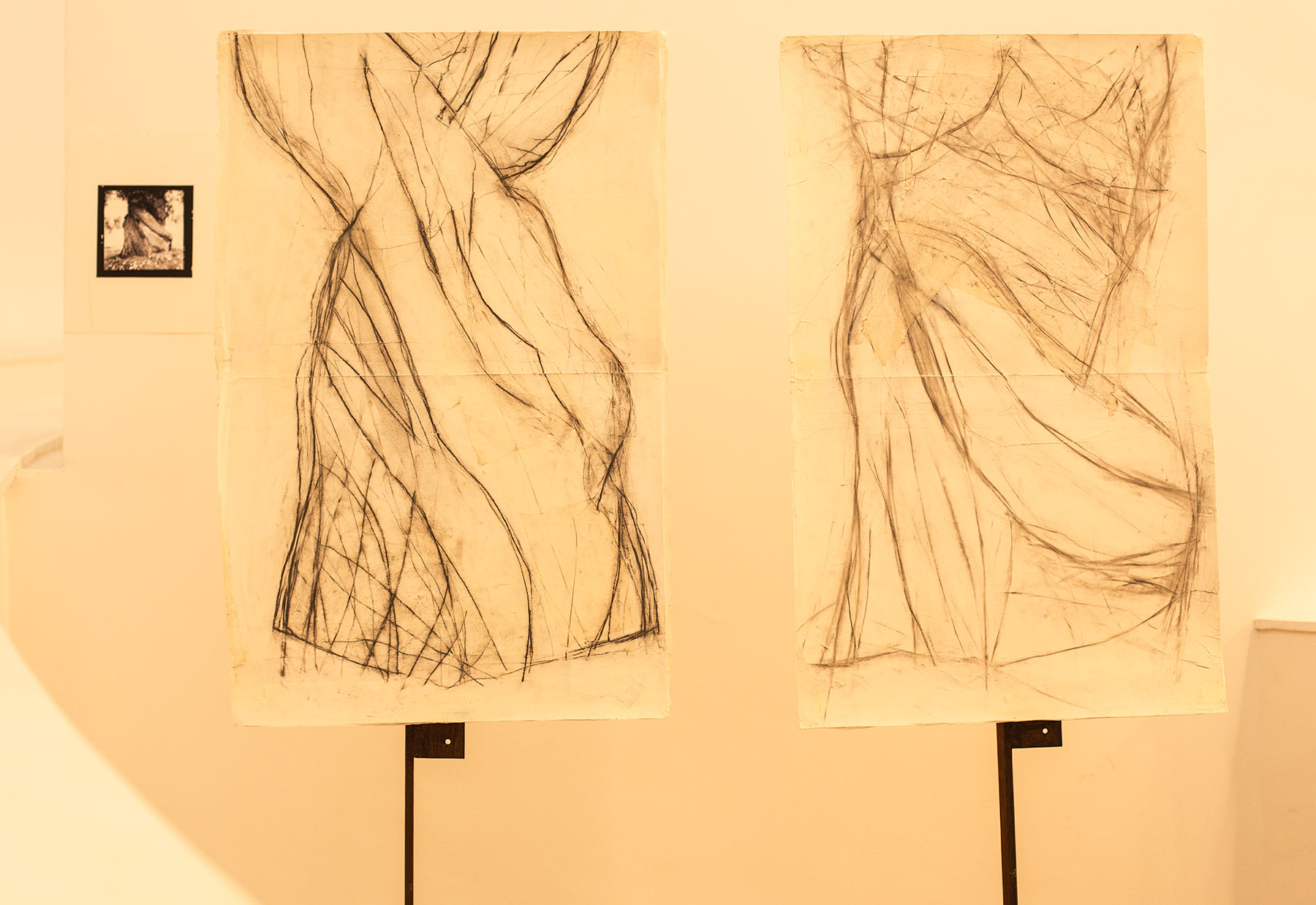
Based on his tree photographs, Fels did a series of drawings and ceramic works, several of which were exhibited in the installation. As he began working with graphite and clay, he realized the extraordinarily sculptural tree trunks were taking on female form. Though not consciously intentional, this seemed fitting with the role, and the work, of the Greek goddess Athena, she being the fabled protector of the olive trees. Accordingly, the exhibition featured an ancient diminutive ceramic Athena from the museum’s archaeology collection.
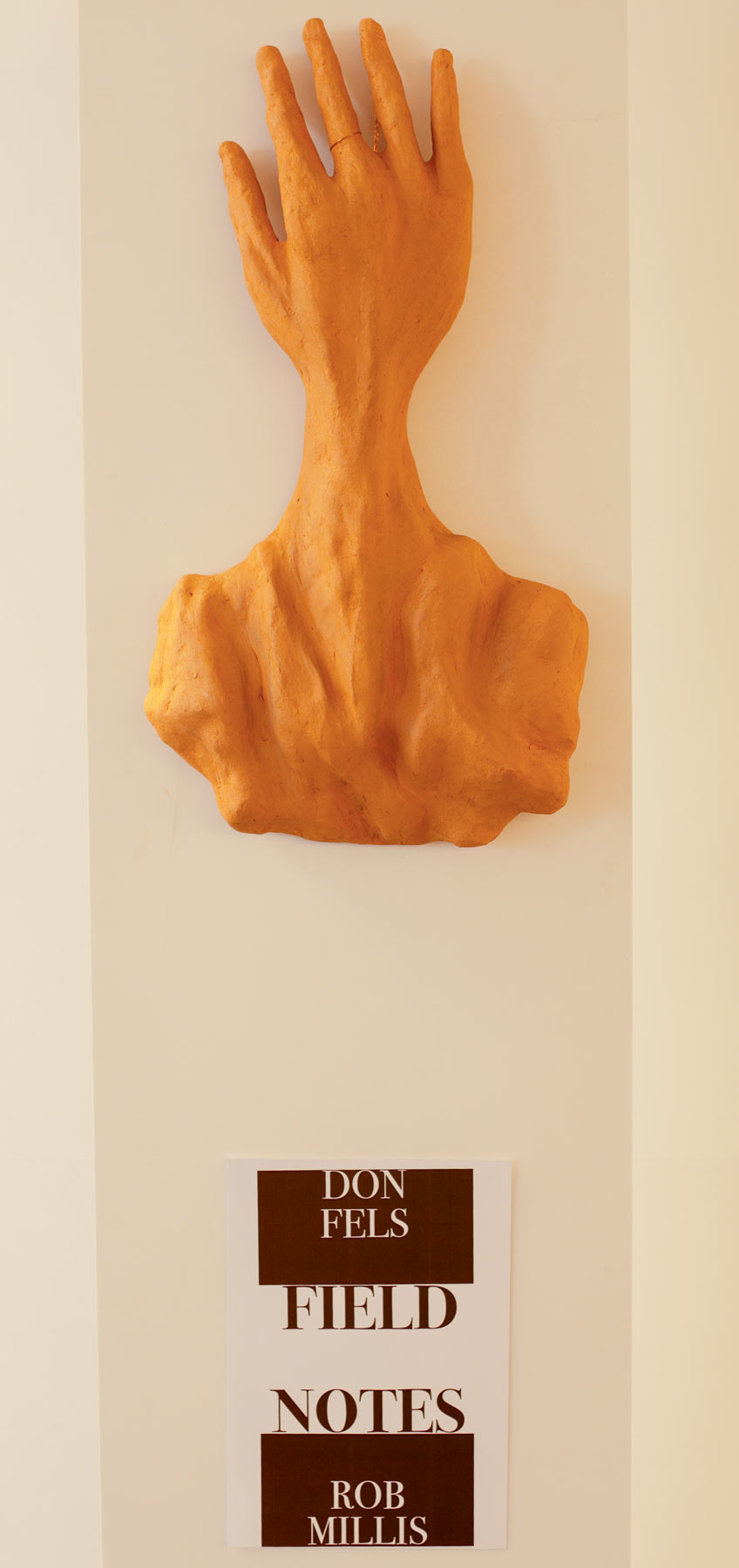
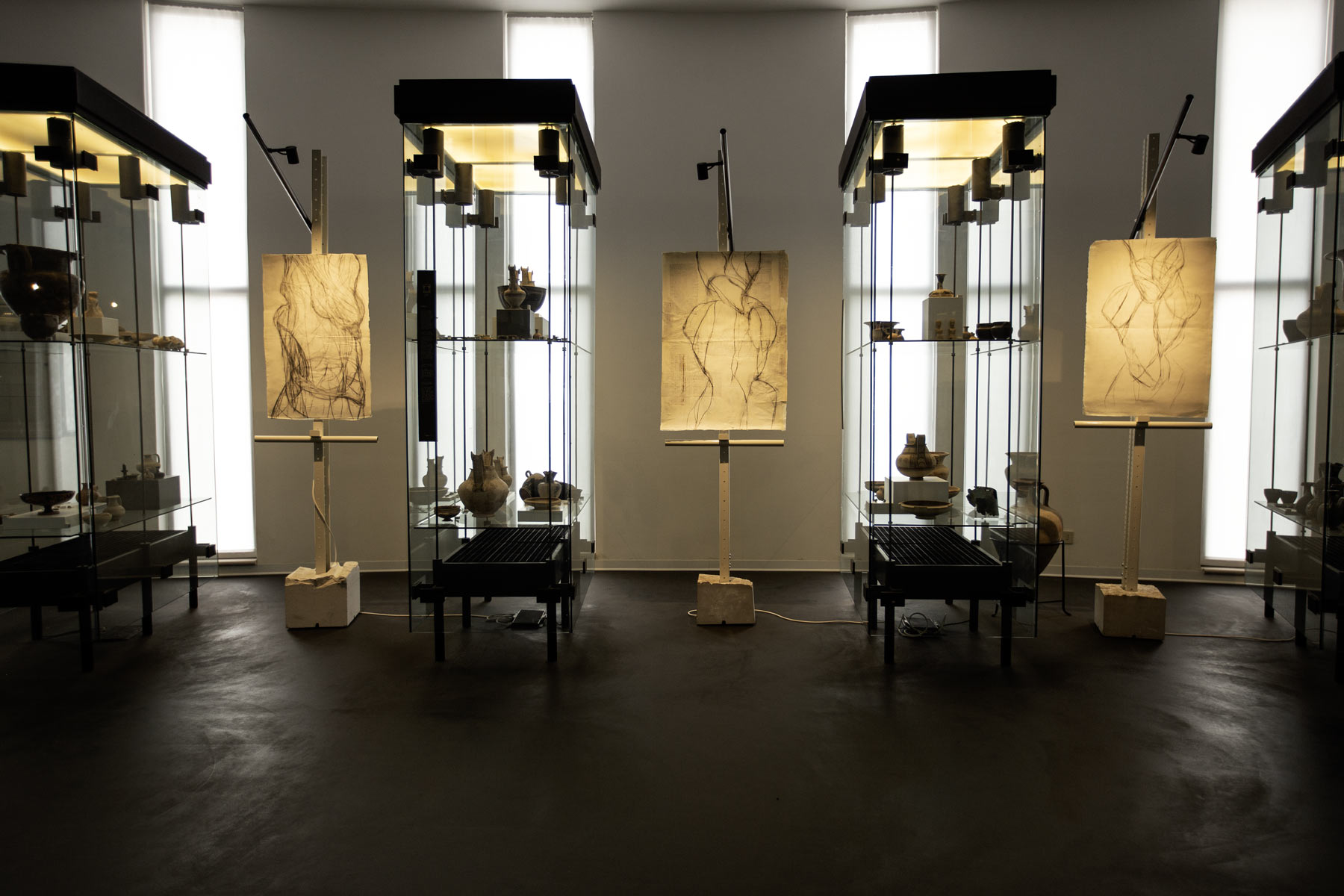

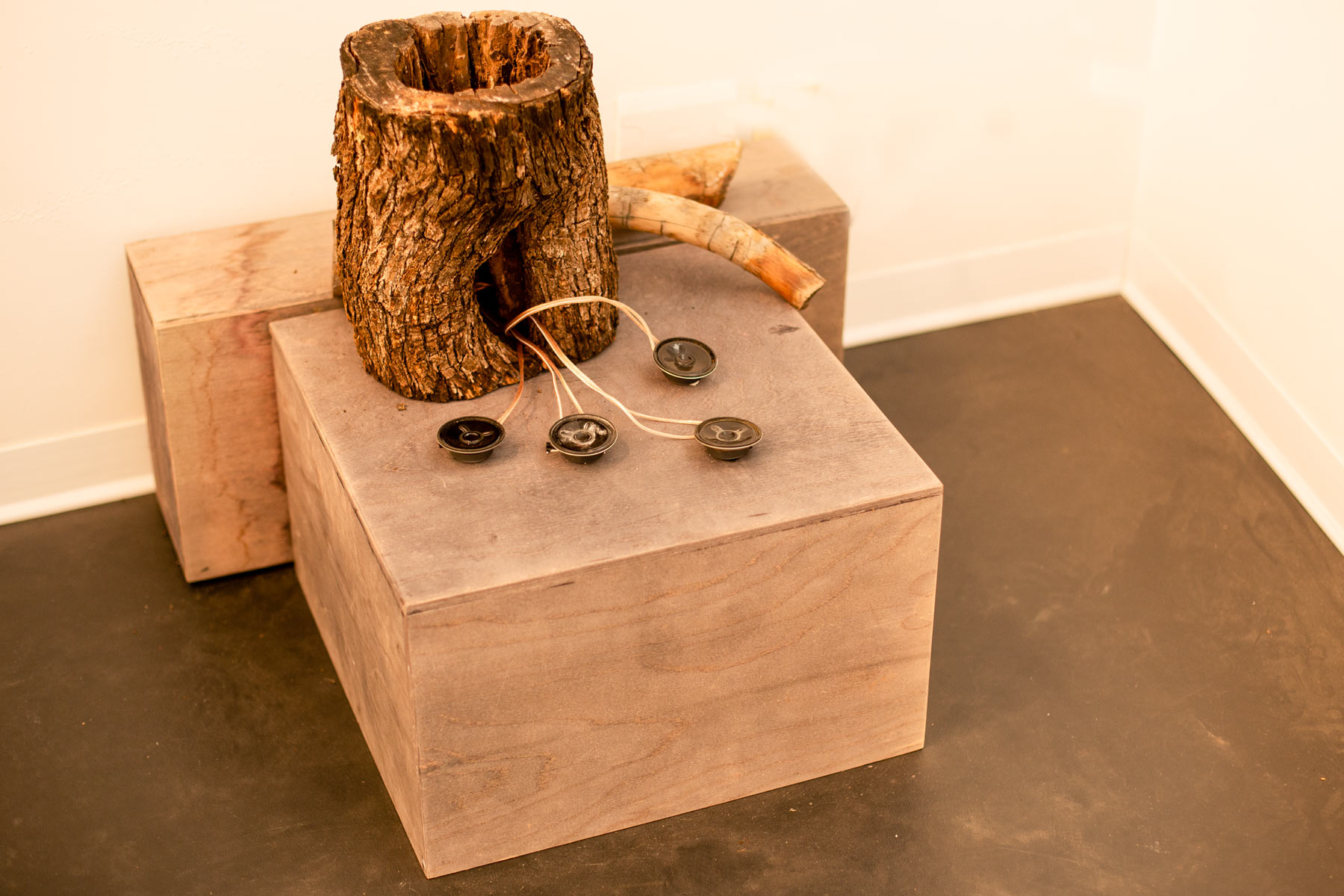
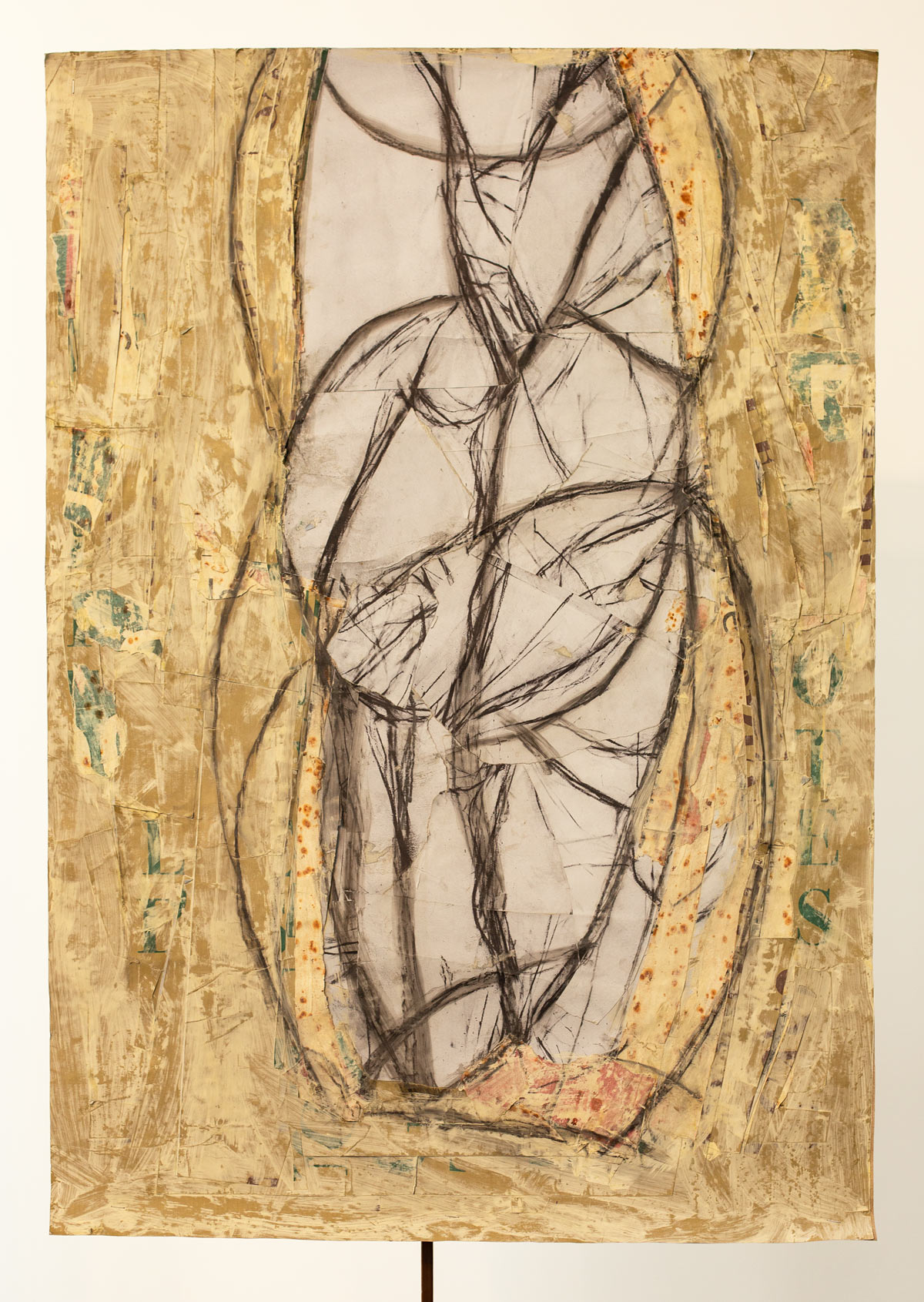
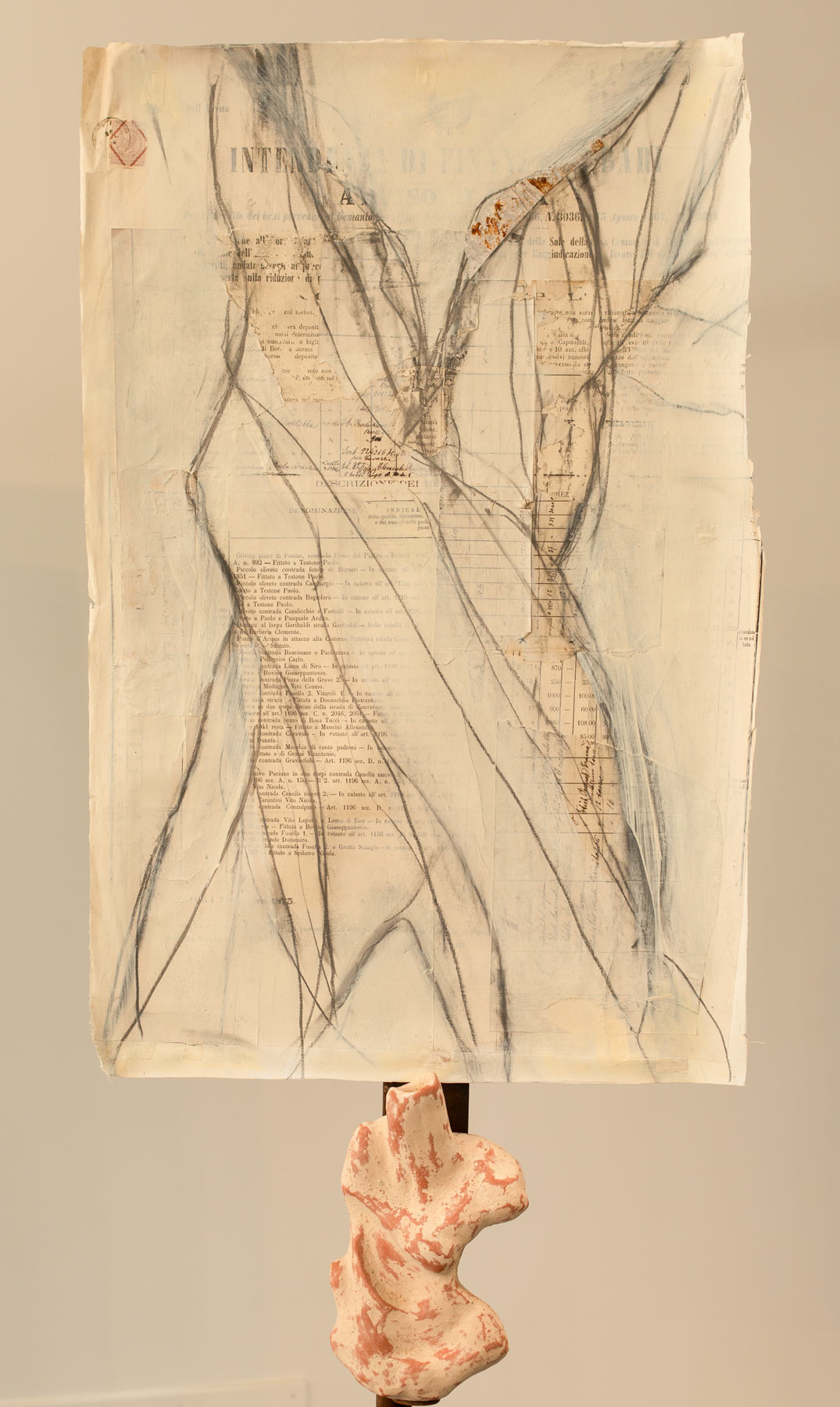
FIELD NOTES also resulted in a handsome black and white 145-page exhibition catalogue documenting their work for the installation and including essays by both artists. In the essays, they discuss the history of the olive trees planted in Puglia by the Greeks and the successive changes to the trees over centuries of being farmed.
The founding of the Castromediano Museum itself is the result of olive oil wealth- the largesse in the mid-19th century of Sigismondo Castromediano, who grew wealthy from the lampante oil that growers in the Salento, the region with Lecce as its center, produced to light the streets of Paris. An enormous boon to the growers, the large-scale use of their olive oil fostered industrialized production. This led to the olives being planted and farmed as a monoculture and along with the arrival of climate change in the 20th century, set the stage for Xylella.
Fels and Millis produced a complex multi-layered installation, bearing witness to the spectacular beauty and complicated destiny of the ancient olive trees of Puglia. Standing as monumental semaphores on the maritime landscape, the trees signal the deep interrelationship between man and environment there - its past, present and future.